Why Progressive Materials Silicone Beats Acrylic Every Time in New Mexico’s Roofing Battleground

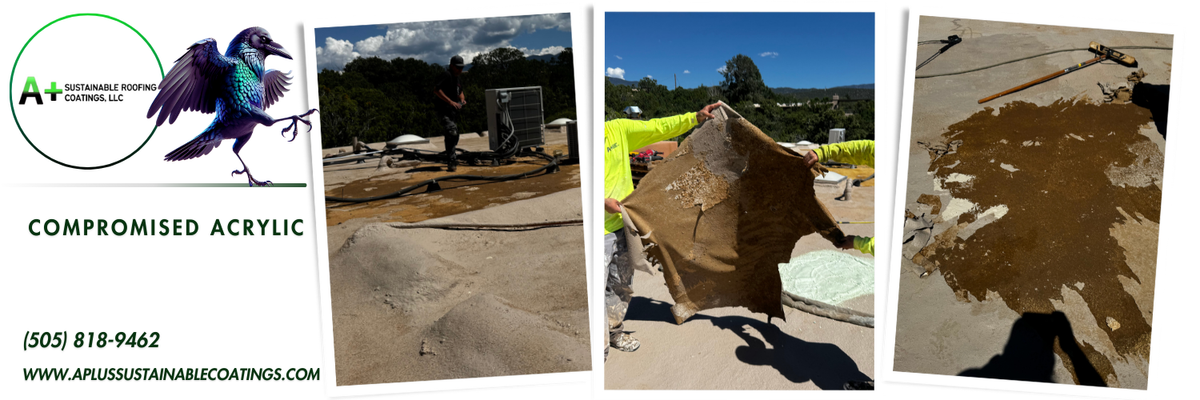
If you’re in the roofing business—or if you own a commercial building—you already know that polyurethane foam needs protection. That’s not up for debate. The real question is: Are you using the right coating, or are you setting yourself up for costly, premature failures?
Most people default to acrylic coatings because they’re cheaper upfront. But in a high-UV, low-humidity battleground like New Mexico, acrylic is a slow-motion disaster waiting to happen. Let’s break it down.
Acrylic Coatings: A UV Liability with Built-in Failures
Acrylic roof coatings are water-based, which means they rely on evaporation to cure properly. That’s great in moderate climates, but in the scorching New Mexico sun, the extreme UV exposure breaks down acrylic coatings at an accelerated rate. You’ll see chalking, cracking, and eventual failure—often far sooner than you were promised.
And here’s the kicker: Acrylic coatings do not handle ponding water. Check the fine print on most warranties, and you’ll find exclusions for any areas where water sits for more than 48 hours. In real-world terms? That means if your roof has even minor drainage issues, the manufacturer isn’t responsible for the failure—you are.
Progressive Materials Silicone: A Permanent Shield Against UV and Water
Unlike acrylic, Progressive Materials silicone coatings are solvent-based, meaning they don’t break down under UV exposure. They maintain their flexibility and adhesion long after acrylic has started to degrade. More importantly, silicone is 100% waterproof.
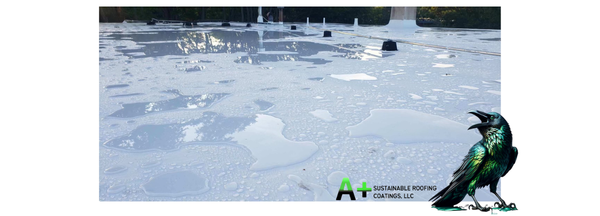
Ponding water? Not a problem. The right silicone coating doesn’t absorb moisture, doesn’t chalk away under UV bombardment, and doesn’t need constant reapplication just to keep up with the elements.
Maintenance Intervals: The Hidden Cost of Acrylic vs. Silicone
Acrylic-coated roofs in high-UV environments often require recoating every 5–7 years just to stay functional. That’s an ongoing, never-ending cost cycle that eats into your bottom line. Progressive Materials silicone? You’re looking at 15–20 years before you even need to think about maintenance. That’s a massive difference in labor, material costs, and downtime.
The Final Word: Stop Throwing Money at Short-Term Fixes
If you’re serious about long-term protection, Progressive Materials silicone coatings are the clear winner. They outlast, outperform, and out-economize acrylic coatings every time.
So, you can keep slapping acrylic on your foam roof, hoping it holds up (spoiler: it won’t), or you can choose a system designed to win in New Mexico’s brutal climate. Your call.
Our next topic of discussion will be on how to properly vet silicone coatings based on warranty and features. Can't wait and want to know more, contact us here.